TOPIK advanced vocabulary is the foundation for achieving high scores in the TOPIK II exam. This comprehensive guide gathers essential advanced Korean words across common topics, helping you understand and use them naturally. Expand your vocabulary effectively, enhance fluency, and boost your confidence in every section of the test.
Understanding TOPIK advanced vocabulary
TOPIK advanced refers to the highest level of the Korean Proficiency Test (TOPIK II), usually Levels 5 and 6. It is designed for learners who can understand complex texts, express ideas clearly, and use Korean naturally in professional or academic settings.
This level is ideal for students aiming to study at Korean universities, work in Korean companies, or live long-term in Korea. Before reaching this level, learners should build a strong base with TOPIK vocabulary intermediate to ensure smooth progress and better comprehension at advanced stages.
Advanced vocabulary plays a key role in achieving a good score. It helps you understand reading passages more easily and express your thoughts precisely in writing and speaking tasks. Unlike TOPIK intermediate vocabulary, advanced words focus more on abstract ideas, academic terms, and expressions used by native speakers. Mastering them will make your Korean sound more natural and fluent, giving you a strong advantage in the exam.
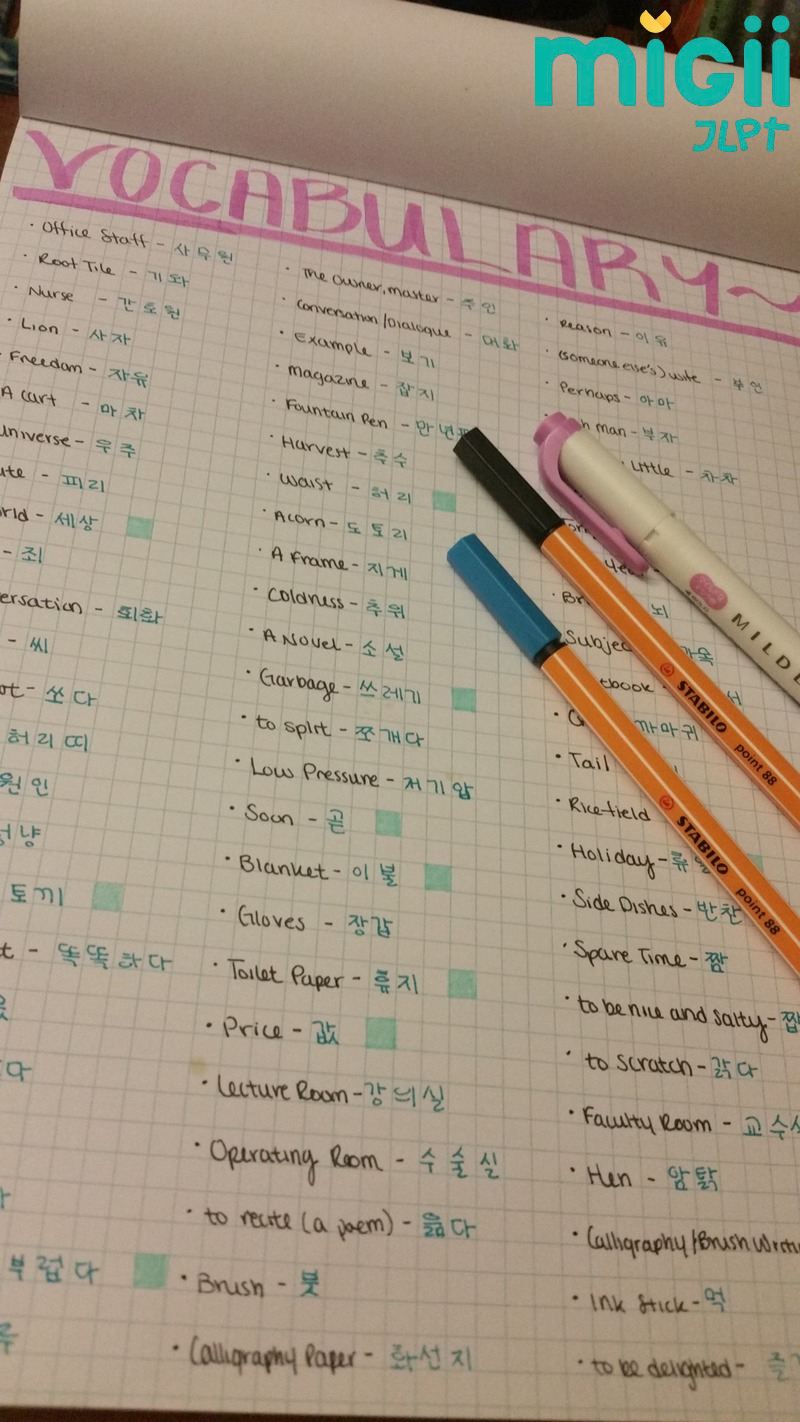
A strong intermediate base helps you master advanced TOPIK vocabulary faster
Common vocabulary themes in TOPIK advanced
To succeed in the TOPIK advanced test, you need more than just grammar and reading skills, vocabulary is the key. The exam covers a wide range of words from academic, cultural, and everyday contexts. Below are the main vocabulary themes you should focus on to improve your understanding and expression.
Academic and specialized vocabulary groups
In the advanced TOPIK test, many words come from academic or professional topics. You’ll often see vocabulary related to science, culture, economy, or society. Learning these words in context helps you understand essays and articles better. Try reading Korean news or academic passages to see how these words are used naturally.
Idioms, proverbs, and natural Korean expressions
Idioms and proverbs make your Korean sound natural and fluent. Expressions like “식은 죽 먹기” (as easy as pie) or “하늘의 별 따기” (something hard to get) often appear in daily life and the exam. Practice them in sentences to remember their meaning better. They also help your speaking and writing sound more authentic.
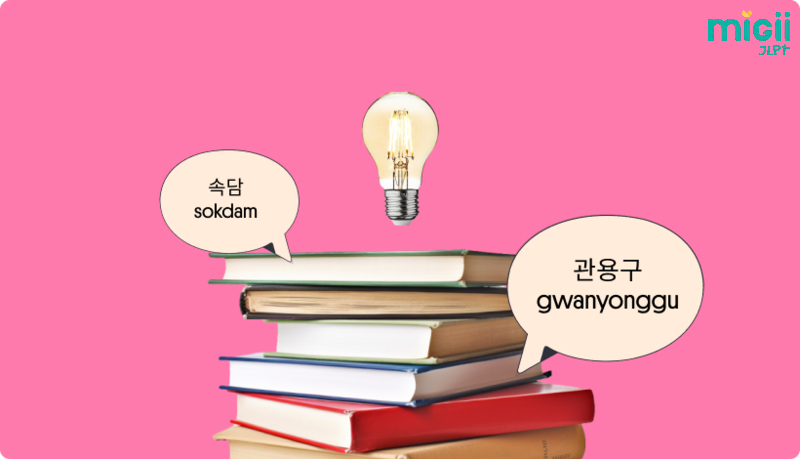
Using idioms correctly shows cultural understanding and makes your Korean sound more natural
Advanced synonyms and antonyms to enrich your answers
Using advanced synonyms and antonyms makes your answers more varied and precise. Replace simple words with richer ones, like using “훌륭하다” instead of “좋다.” This not only improves your writing but also shows your language depth. Expanding this skill bridges your TOPIK intermediate vocabulary and advanced fluency.
Essential TOPIK advanced vocabulary list you should master
A strong vocabulary is the foundation of success in the TOPIK advanced exam. Below is a list of key words that will help you understand complex texts and express ideas more naturally:
Link download full TOPIK advanced vocabulary:
How to study TOPIK advanced vocabulary effectively
Learning advanced Korean words takes time and strategy. Instead of memorizing long lists, you should study step by step, connect words with real-life use, and monitor your progress carefully. Here’s a clear path to help you study more effectively and reach your TOPIK goals faster.
Step-by-step vocabulary learning paths by level and goal
Learners should begin by reviewing TOPIK intermediate vocabulary to strengthen their foundation. After that, they can move to advanced words organized by topics such as culture, society, or technology.
Each week, learners should set a target, for example, learning 30 new words, and create flashcards that include meanings, sample sentences, and pronunciation. Reviewing old words before adding new ones helps reinforce memory and prevent forgetting.
Practice with real-life examples and exercises
Students should actively use new words instead of just memorizing them. They can write short essays, summaries, or diary entries to apply vocabulary in context. Watching Korean news or shows also helps, as learners can pause to note unfamiliar words and check their meanings. The Migii TOPIK app provides practical exercises and mini-tests that allow students to practice new words in realistic exam-style situations.
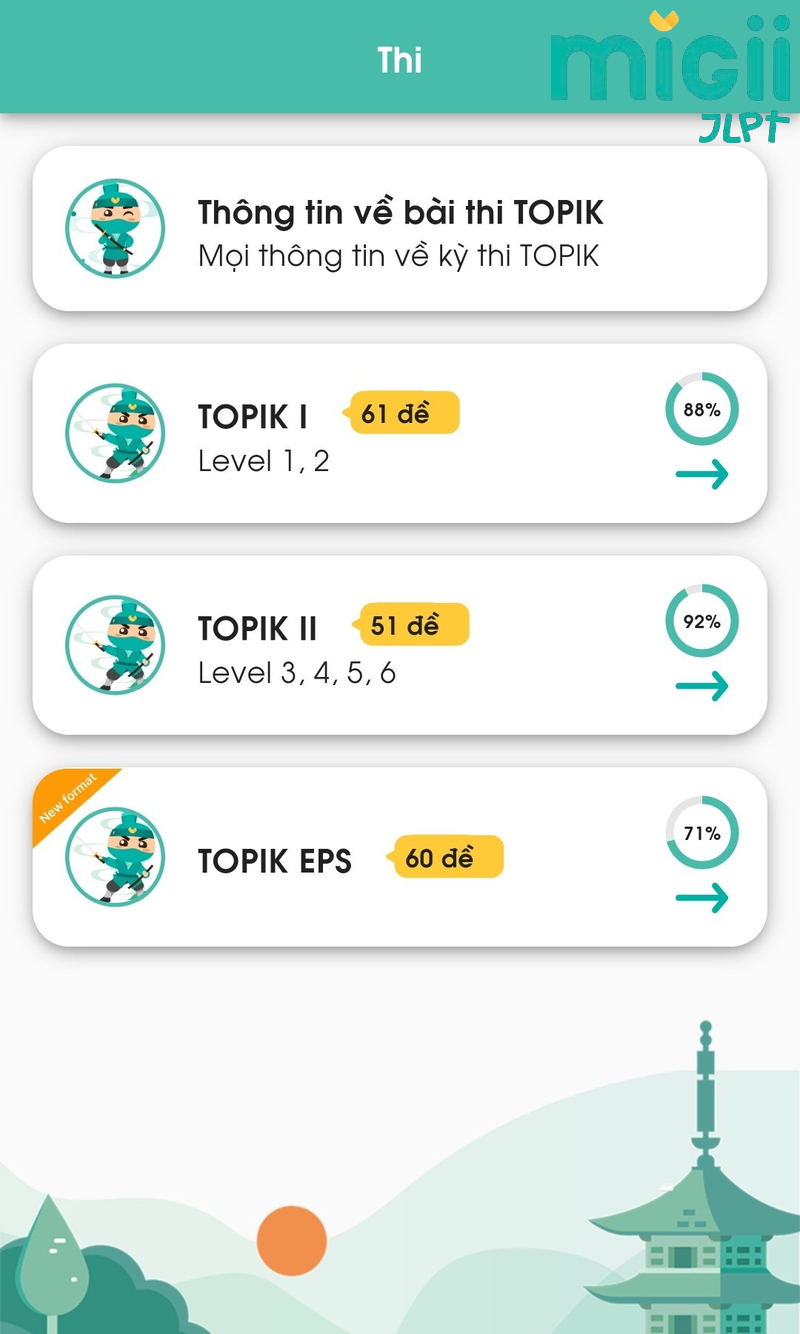
Migii TOPIK offers realistic practice and progress tracking for better exam preparation
Track your progress and test performance regularly
Learners should track their progress every week to stay consistent. They can use notebooks, spreadsheets, or Migii’s progress tracker to label words as mastered, weak, or new. Taking short quizzes at the end of each week helps identify areas that need review. When learners monitor their improvement closely, they can stay motivated and study more efficiently.
Building strong TOPIK advanced vocabulary helps you understand complex texts and express ideas naturally. With a clear study plan and consistent practice, you can improve faster and score higher. Start learning now with Migii TOPIK to master advanced Korean words and reach your exam goals confidently.