Mastering EPS TOPIK grammar is essential for achieving high scores in the exam and communicating effectively in Korean workplaces. This article provides practical strategies, from focusing on core grammar structures and applying them in real-life situations to using the Migii TOPIK app for interactive practice. By following a consistent study routine and applying these methods, you can strengthen your listening, reading, and grammar reflexes, fully preparing for the EPS TOPIK exam.
EPS TOPIK Grammar vs. Standard TOPIK Grammar: What’s the Difference?
Working with Korean grammar for exams can be confusing, especially when comparing EPS TOPIK and standard TOPIK. While both tests evaluate Korean language skills, they differ significantly in purpose, content, and what you really need to focus on. Here’s a clear breakdown to help you understand the distinctions.
Purpose & Context
When preparing for Korean exams, it’s important to know why each test exists. Standard TOPIK is mainly academic, designed for students who plan to study at universities or engage in literature and essay writing. On the other hand, EPS TOPIK is meant for people entering the workforce in Korea, focusing on practical communication for factories, construction sites, farms, and everyday life situations.
 Standard TOPIK targets academic study, while EPS TOPIK focuses on practical workplace communication
Scope of Content
Another key difference is the range of grammar covered. Standard TOPIK is open-ended and includes advanced, sometimes archaic, and written-style grammar across Levels 1–6. EPS TOPIK, however, strictly follows the Standard Textbook with 60 chapters, emphasizing basic (Levels 1–2) and early intermediate (Level 3) concepts that are directly useful for workplace and daily survival.
The Nature of the Exam
Finally, knowing what to prioritize can save a lot of unnecessary study time. For EPS TOPIK, you don’t need to master complex essay connectors or advanced academic grammar. Instead, focus on imperatives (commands), prohibitions, and safety warnings. These structures will help you communicate effectively and avoid mistakes in real-life work situations.
The Essential EPS TOPIK Grammar Modules
When preparing for the EPS TOPIK exam, mastering EPS TOPIK Grammar not only helps you succeed in the listening and reading sections but also enables effective communication in Korean workplaces. Instead of studying chapter by chapter, grouping grammar by function makes it easier to remember and apply in real-life situations. Below are the five essential grammar modules you should focus on.
Module 1: Foundation & Identification (The Basics)
This module is essential for constructing basic sentences and handling numbers, locations, and possessions. It forms the foundation for both the listening and reading sections of the EPS TOPIK exam.
Particles (The tricky part):
- Subject markers: 이/가, 은/는 - Used to indicate the subject of a sentence; important for understanding who is doing what.
- Object markers: 을/를 - Indicate the object of an action.
- Location/Time markers: 에, 에서 - For expressing places and times, critical for following workplace instructions.
Sentence Endings:
- Formal endings: -mnida / -sumnida - Used in interviews or formal requests.
- Polite endings: -a/oyo- Used in daily life and casual workplace interactions.
Numbers & Counters:
- Important for listening questions about time, prices, or counting goods such as boxes, bottles, or machines.
- Understanding counters like 개 (items), 명 (people), 대 (machines) is essential for everyday tasks.
Existence Verbs: 있다 / 없다 (Itda / Eopda) - To express presence or absence of objects or people. Example: “사무실에 컴퓨터가 있어요” (There is a computer in the office).
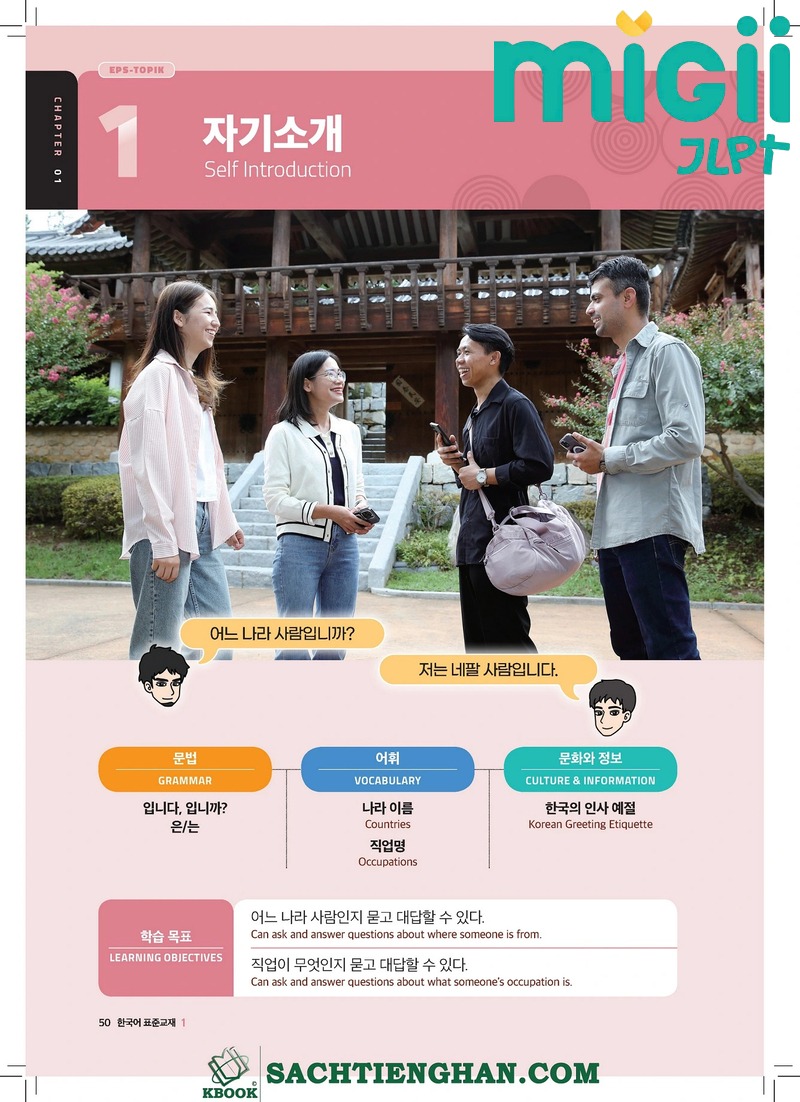 Focus on basic particles, endings, numbers, and existence verbs
Module 2: Safety, Rules & Prohibitions (The Exam Core)
This module is primarily aimed at the reading section, helping you understand and interpret workplace signs, safety instructions, and warning labels with ease.
Prohibition:
- -(eu)myeon an doeda — “You must not…”.
- -지 마세요 — “Do not…”. Example: “이 기계를 만지지 마세요” (Do not touch this machine).
Obligation / Requirement: -아/어야 하다 — “Must do… / Required to…”. Example: “안전을 위해 헬멧을 써야 합니다” (You must wear a helmet for safety).
Permission: -아/어도 되다 — “Allowed to…”. Example: “여기에 주차해도 돼요” (You may park here).
Warnings: 조심하세요 (Josimhaseyo) — “Be careful because…”. Used for cautionary notes.
Module 3: Workplace Communication (Listening Section)
This module focuses on understanding conversations with supervisors and co-workers, which is essential for carrying out daily tasks safely and efficiently in the workplace.
Imperatives (Commands):
- -(으)세요 — “Please do…”. Example: “문을 닫으세요” (Please close the door).
- -아/어 주세요 — “Please do for me…”. Example: “도와주세요” (Please help me).
Suggestions & Offers:
- -(으)ㄹ까요? — “Shall we…?” or “Shall I…?” Example: “같이 점심 먹을까요?” (Shall we have lunch together?).
- -(으)ㅂ시다 — “Let’s…”. Example: “회의를 합시다” (Let’s have a meeting).
Honorifics: Using specific verb forms when addressing supervisors, e.g., 사장님, 반장님. Example: “확인하시겠습니까?” (Would you like to check?).
Module 4: Connectors & Logic (Reading Comprehension)
This module helps you grasp longer paragraphs, instructions, and workplace notices by focusing on cause-and-effect relationships, sequences, and conditional statements.
Cause & Effect:
- Basic: -아/어서 (so / because), -(으)니까.
- Work-related (Negative outcome): -(으)느라고 - Expressing unintended negative results. Example: “늦게 오느라고 보고서를 못 썼어요” (I couldn’t write the report because I came late).
Sequence: -고 — “And / then”.
- 기 전에 — “Before…”.
- (으)ㄴ 후에 — “After…”.
Conditions: -(으)면 — “If…”. Example: “시간이 있으면 도와주세요” (If you have time, please help).
 Focus on commands, suggestions, honorifics, and connectors for workplace understanding
Module 5: Advanced Traps & Special Structures
This module is designed to help high-scoring candidates recognize subtle grammar points in the listening and reading sections, allowing for more precise understanding and interpretation.
Indirect Speech: -다고 / -라고 하다 — “They said that… / The boss ordered that…”. Example: “사장이 보고서를 내라고 했어요” (The boss said to submit the report).
Passive & Causative Forms: Used to describe actions done to someone or something. Example: “손이 끼었다” (A hand got caught).
Continuous State: -아/어 있다 — Expresses a state of being. Example: “문이 열려 있다” (The door is open).
Link download EPS Grammar:
Pro Tips: How to Master EPS Grammar Effectively
Mastering EPS TOPIK grammar requires a structured approach that combines theory with practical application. Below are four effective strategies to help you retain grammar patterns, improve your exam performance, and communicate confidently in real workplace situations.
Focus on Core Grammar Structures
Start by identifying the most frequently tested grammar patterns, such as imperatives, prohibitions, particles, and existence verbs. Concentrating on these core structures first allows you to tackle listening and reading questions more efficiently while building a strong foundation for other grammar points.
A practical way to master core grammar structures is to write short example sentences for each one. For instance, you can practice 문을 닫으세요 (Please close the door) or 이 기계를 만지지 마세요 (Do not touch this machine). Doing this regularly not only saves study time but also helps you remember the essential structures and use them confidently in real-life situations.
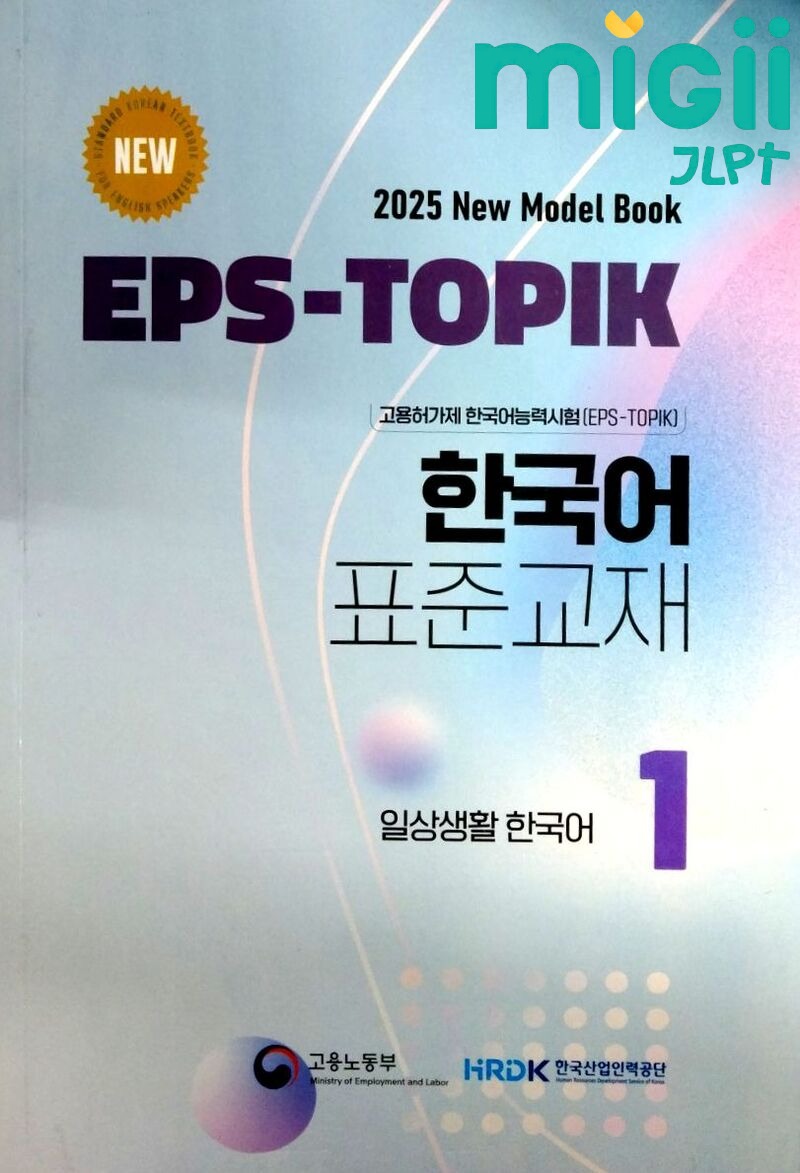 Focus on key grammar patterns and practice with short example sentences daily
Practice with Real-Life Situations
Apply grammar to workplace scenarios: reading signs, following instructions, or interacting with supervisors and co-workers. Writing or speaking these sentences daily reinforces proper usage and improves comprehension.
Examples:
- Supervisor: “안전을 위해 헬멧을 써야 합니다” (You must wear a helmet for safety)
- Worker: “네, 알겠습니다” (Yes, I understand)
Reinforces understanding of grammar in context, improves reaction speed during the exam, and prepares you for practical communication at work.
Leverage Migii TOPIK App for Interactive Learning
One of the most effective ways to improve your EPS grammar is to leverage the Migii TOPIK app for interactive learning. The app allows you to practice grammar through quizzes, listening exercises, and receive instant feedback on your answers. You can track your progress, repeat exercises that are challenging, and reinforce grammar patterns through regular practice.
A practical approach is to use the “Daily Practice” feature to complete 10–15 exercises each day and immediately review any mistakes within the app. This method enables you to learn anytime, strengthens both your listening and reading skills, and significantly improves your readiness for the EPS TOPIK exam.
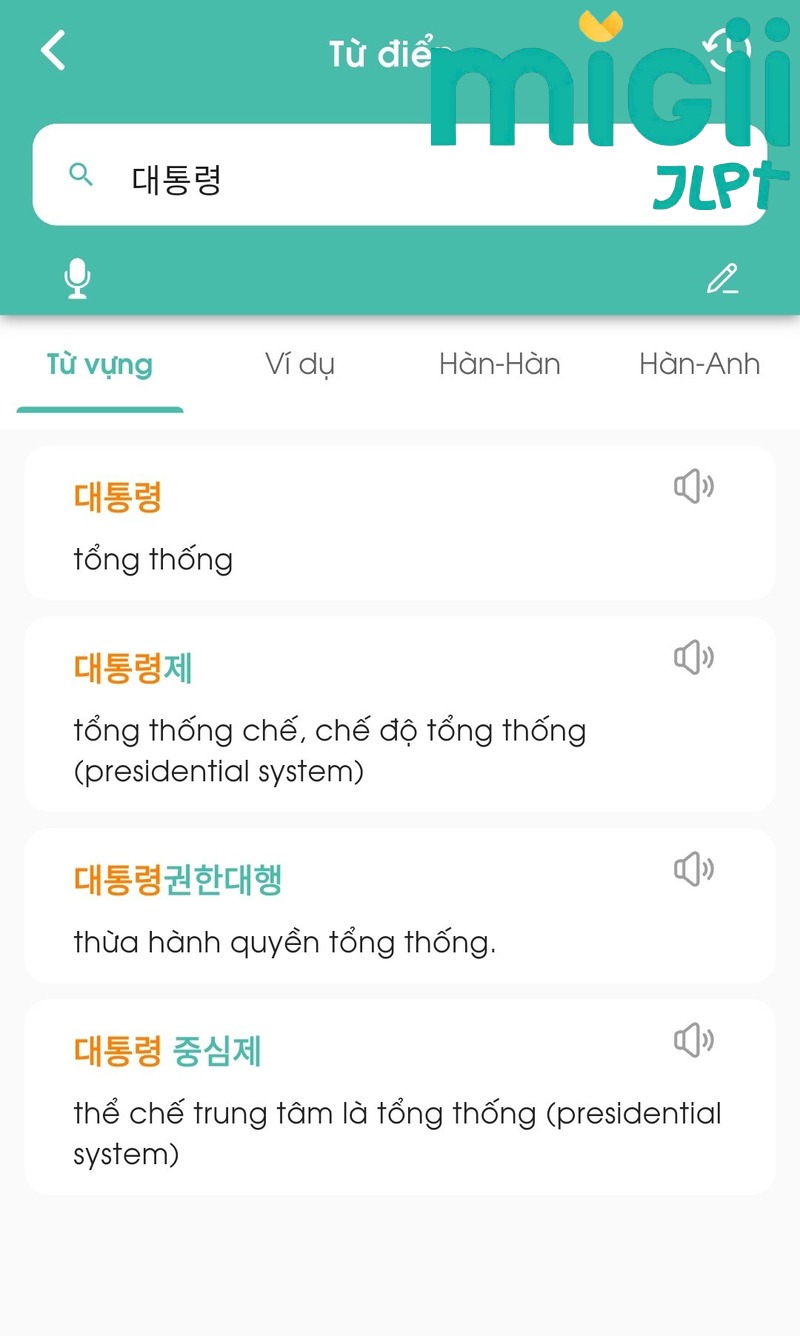
Use Migii TOPIK daily to practice interactively and track your progress
Consistent Daily Practice and Review
To make steady progress in EPS TOPIK grammar, it is important to set aside 20–30 minutes each day for combined reading, writing, and listening exercises. Short, consistent study sessions are far more effective than occasional long sessions, as they help reinforce memory and maintain focus.
After completing each exercise, review your mistakes thoroughly to understand why you went wrong and to avoid repeating them in the future. A practical way to do this is to keep a notebook of common errors, particularly with particles and sentence endings, and review it regularly. This approach helps build long-term memory, improves reflexes in using grammar correctly, and reduces stress as the exam approaches.
Mastering EPS TOPIK grammar is essential for both exam success and effective communication in the workplace. By focusing on key grammar structures, practicing with real-life examples, and using tools like the Migii TOPIK app for interactive exercises, learners can improve their listening, reading, and speaking skills efficiently.